




 0
 NEW SKINS ›
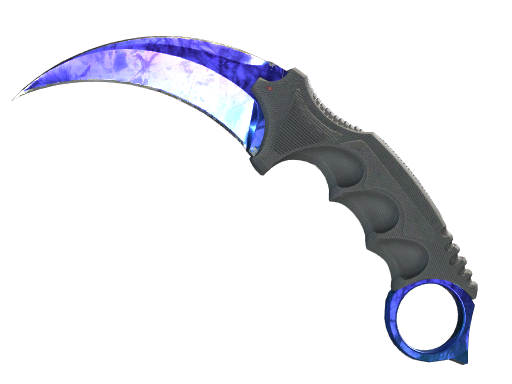
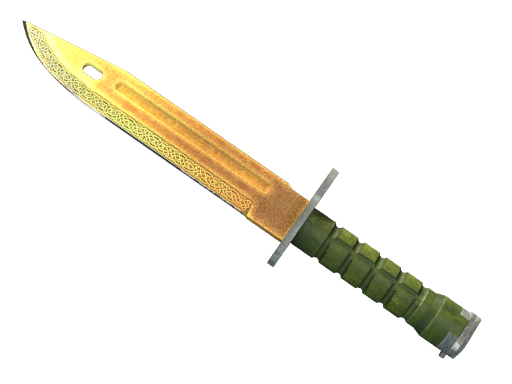
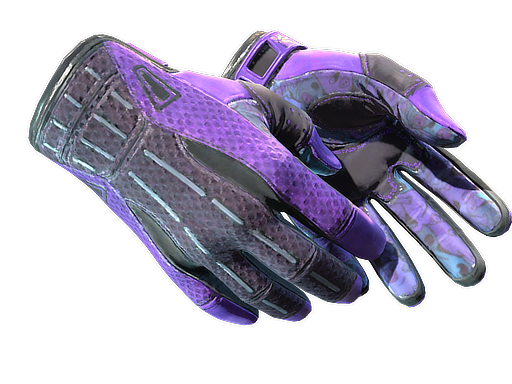
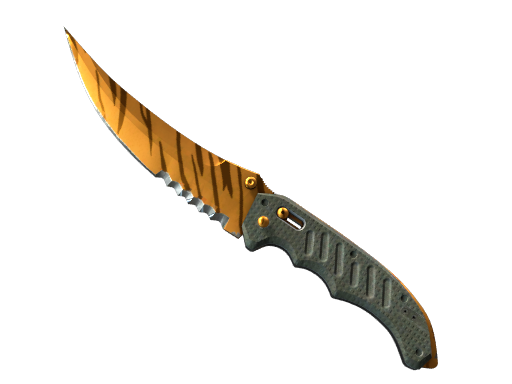
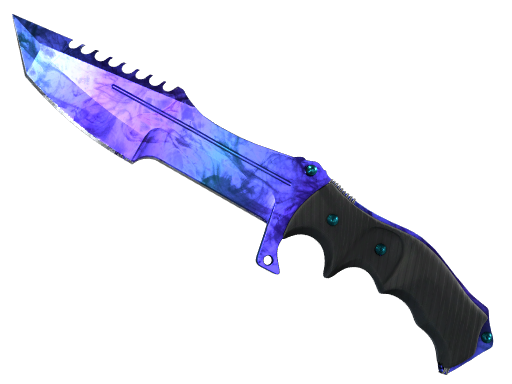
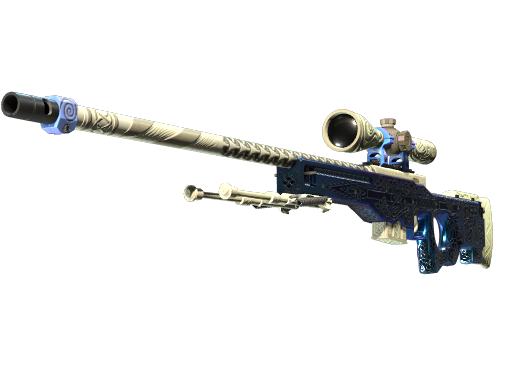


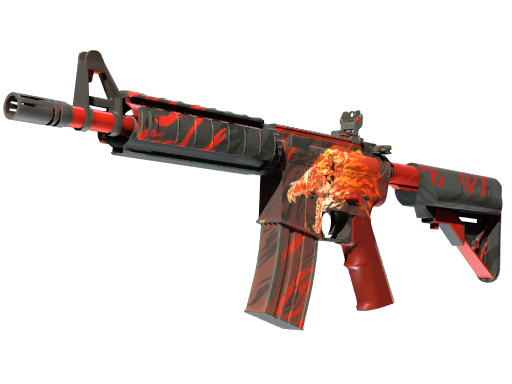




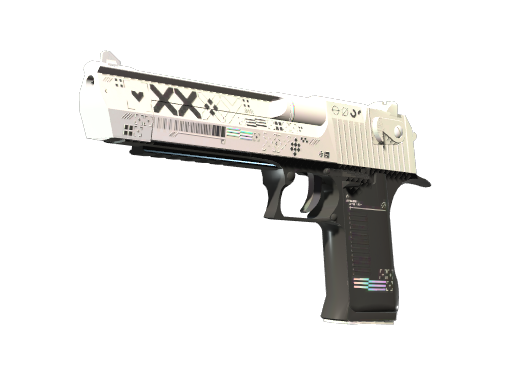
CS2 skin upgrader: aim a cheap skin at a bigger one
HOWL is an independent information site all about upgrading CS2 skins — the mechanic where you stake a skin or balance and aim for a higher-value target skin. Unlike opening a case, you choose the target yourself and see the chance of success before you even start. You sign in only through Steam, the process is provably fair and every result can be checked independently. This page explains how the upgrade works, how the chance and multiplier arise, what float is and how the mechanic differs from trade-up and cases.

What is a skin upgrade?
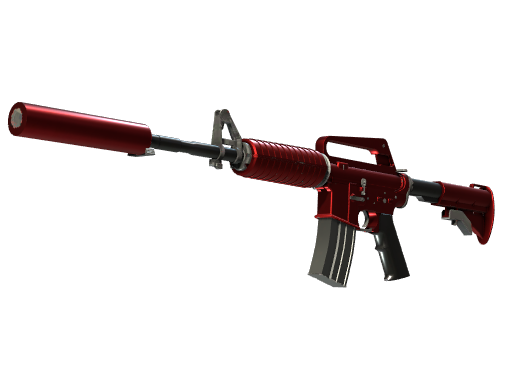
On an upgrade you take an existing skin or balance, set a target skin and the system shows you the value ratio, which corresponds to a specific chance and multiplier. The more ambitious the target, the lower the probability. Alongside the upgrade, the CS2 skin world also includes opening cases, trade-up contracts and ordinary trading of Skins.
How an upgrade runs, step by step
- Sign in with Steam OpenID — you enter your password at Valve.
- Choose your stake: a skin from your inventory or balance.
- Set the target skin — the multiplier and chance are shown.
- Start the upgrade and verify the result via the round ID (provably fair).
Chance, multiplier and value
Your chance comes from the ratio of stake value to target value, minus a small house edge. A small jump gives a high, stable chance; a big jump is a rare but tempting challenge. The values below are indicative.
| Wertsprung | Stake | Target | Approximate chance |
|---|---|---|---|
| ×1.5 | €10 | €15 | ~65 % |
| ×2 | €10 | €20 | ~48 % |
| ×5 | €10 | €50 | ~18 % |
| ×10 | €10 | €100 | ~9 % |
Upgrade modes
The upgrade usually comes in several modes with the same provably-fair engine but a different stake.
| Mode | Stake | For whom |
|---|---|---|
| One skin | an entry-level skin | targeted attempts at one target |
| Mehrere Items | several skins at once | combine cheap drops |
| Balance → skin | account balance | players with no existing inventory |
Provably fair: fairness you can check
“Provably fair” means the result cannot be tampered with afterwards. Before the round a SHA-256 hash of the server seed is published, and you can choose your own client seed. After the upgrade you receive the server seed, client seed and nonce and recompute the result yourself.
- Before the round, get the hash of the server seed.
- After the round, have the server seed revealed.
- Check that its SHA-256 matches the original hash.
- Combine the server seed, client seed and nonce into the result value and compare.
Float and condition of a skin
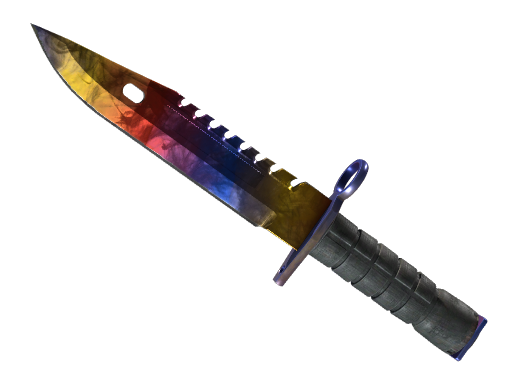
Float is a number from 0 to 1 describing wear: the lower it is, the closer to factory-new. It sets the condition tier and the price — two skins with the same name can be worth very different amounts depending on float.
| Kategorie | Float-Bereich | Value |
|---|---|---|
| Factory New | 0.00 – 0.07 | highest |
| Minimal Wear | 0.07 – 0.15 | hoch |
| Field-Tested | 0.15 – 0.38 | mittel |
| Well-Worn / Battle-Scarred | 0.38 – 1.00 | niedriger |
Deposit, balance and withdrawal
To start you need balance or skins. Common routes are depositing by skin via a Steam trade, crypto and card; withdrawal goes back as a skin to your Steam inventory. Each method shows the minimum, speed and fee before you confirm. For fast withdrawals the Steam Mobile Authenticator helps, otherwise Valve applies a trade hold.

Signing in with Steam and security
You sign in with Steam OpenID, so you never enter a password anywhere — it stays with Valve. The site only sees your public Steam ID, your name and your shared inventory.
- Sign in only through Steam.
- Never share your trade URL and API key publicly.
- Keep Steam Guard and mobile confirmation enabled.
- Check every trade offer before you confirm it.
Upgrade, cases or trade-up?
All three routes lead to a more valuable skin, but they differ in mechanic and control.
| Mechanic | Stake | Result | Control |
|---|---|---|---|
| Upgrade | skin / balance | freely chosen target | multiplier & chance in advance |
| Cases | case + key | random skin from the contents | drop chance by rarity |
| Trade-Up | 10 skins of the same rarity | a skin one tier higher | via collection & float |
Is HOWL legit, and how do you check?
No skin-upgrade site can promise you a profit, but you can confirm one is honest before you stake anything. On HOWL the checks are the same ones that matter on any serious CS2 platform: results are provably fair, so every upgrade can be verified after the fact (the full method is on our guide); sign-in runs through the official Steam OpenID, so your password never reaches the site; and the displayed chance and multiplier appear before you commit, not after. The real risk is rarely the platform itself but imitators — phishing pages and trade offers that copy the brand. Reach the site through a link you trust, check the domain in the address bar, and keep Steam Guard on.
What a multiplier really means
The number next to a target skin is a multiplier, and it is essentially the inverse of your chance. Aim to roughly double your stake and the chance sits near 48% once the house edge is applied; aim for a 10x jump and it falls to around 9%. Neither is better — a small multiplier wins often for a little, a big one wins rarely for a lot, and both carry the same negative expected value over time. The multiplier does not shift because you won or lost the previous round: every upgrade is independent and drawn provably fair.
| Target multiplier | Approx. chance | Feel |
|---|---|---|
| 1.5x | ~63% | Frequent small steps up |
| 2x | ~48% | Coin-flip for double |
| 5x | ~19% | Cheaper skin to mid-tier |
| 10x | ~9% | A jump to an expensive item |
| 20x | ~4.6% | Chasing a grail — lowest chance |
Upgrade or just buy the skin?
Before you upgrade toward a specific skin, compare it with simply buying that skin on a marketplace. Because every upgrade carries a house edge, the expected cost of reaching a target by upgrading is higher than its market price — you are paying for the chance and the thrill, not for a cheaper route to the item. If all you want is the skin, buying it outright is almost always cheaper and certain. Upgrading makes sense as entertainment, when the attempt itself is the point, not as a shortcut to a dream inventory.
Common upgrade mistakes to avoid
- Chasing a loss: raising your stake after a failed upgrade to win it back. The odds do not care about the last round — this only widens the swings.
- Only picturing the win: planning around the jackpot target and ignoring that most attempts fail. Judge an upgrade by its displayed chance, not by the prize.
- Chaining upgrades: immediately re-staking a win until it is gone. Each extra round hands the house its edge again.
- Trading outside the platform: the most common route to a scam. Only accept the trade you triggered yourself, and never click a trade link from a message.
Setting limits and playing responsibly
The most useful habit on any skin-gambling site is to fix your limits before you start, not after a losing streak. Set a deposit you can afford to lose and treat it as the whole budget; where HOWL offers deposit limits, cool-off timers or self-exclusion, switch them on rather than leaning on willpower. Walk away while you are ahead as readily as when you are behind — the math does not care which way the last attempt went. If it stops being fun, take a break and seek help, for example at BeGambleAware.org or the National Gambling Helpline on 0808 8020 133. Strictly 18+.
How we assess upgrade sites (editorial)
Our rating is redaktionell, not a user review. We weight four things: provably fair and verifiability, sign-in only through Steam, a transparently displayed chance before you start, and clear withdrawal conditions. We do not use invented reviews or counters. Skin prices are market indications — they fluctuate and are not a binding offer.
Responsible play
Skin upgrades and opening cases involve an element of chance and are strictly for people aged 18 and over . The legal position of such offers is evolving and differs by country — responsibility for local rules is yours. Set yourself time and money limits, only stake what you are willing to lose, and treat it as entertainment. You can find help, for example, at BeGambleAware.org.